What Should a Cleaning Schedule Include: Proven methods
Most people clean when something looks dirty. Reactive cleaning misses hidden areas, allows bacteria to multiply, and costs more time overall. A cleaning schedule changes your space by making hygiene consistent, predictable, and manageable.
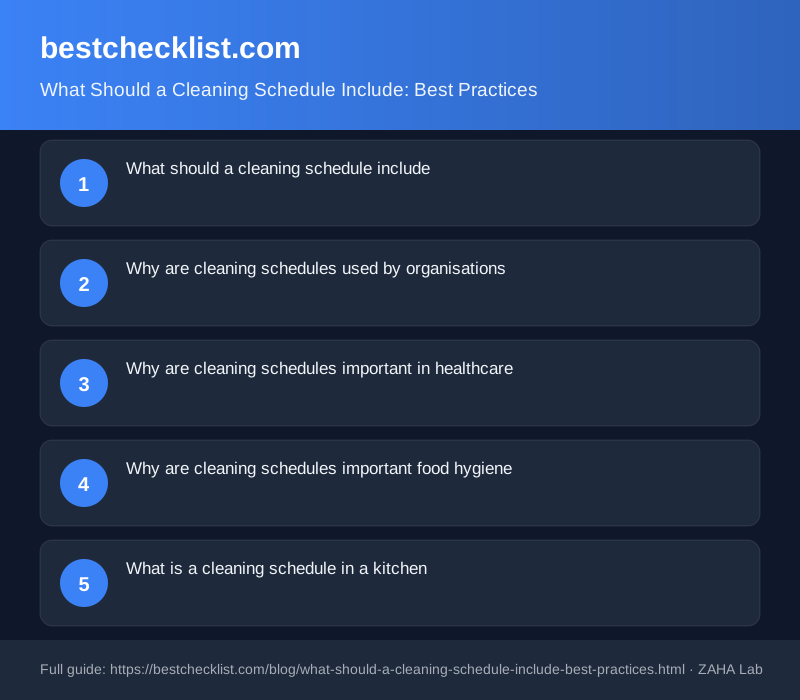
What should a cleaning schedule include
A cleaning schedule lists all areas that need cleaning, how often, and who is responsible. It should cover task frequency (daily, weekly, monthly), specific surfaces or rooms, the cleaning method for each task, and which products to use.
Include any special requirements like safety precautions or allergen concerns. A simple spreadsheet or printable cleaning checklist works for homes and small businesses. Larger organisations need digital systems that track who completed each task and when.
Why are cleaning schedules used by organisations
Organisations use cleaning schedules to meet legal requirements, maintain consistent hygiene standards, and protect their reputation. A hospital, care home, restaurant, or office faces regulatory inspections that demand documented proof of regular cleaning.
Scheduled cleaning also improves efficiency and accountability. Staff know their exact roles and deadlines instead of making decisions about what to clean. Completed tasks are logged, creating evidence that standards were met. This protects the organisation legally and builds client confidence.
Why are cleaning schedules important in healthcare
Healthcare settings carry serious infection risks. Healthcare-associated infections (HCAI) can develop from bacteria on high-touch surfaces like door handles, bed rails, light switches, and medical equipment. A documented cleaning schedule ensures these areas receive consistent attention and prevents cross-contamination.
The schedule specifies which disinfectants to use, how often surfaces are cleaned, and who is responsible. Inspection bodies verify compliance by checking whether the schedule exists and completion logs show it was actually followed. Without this documentation, facilities cannot prove they met hygiene standards.
Why are cleaning schedules important food hygiene
The Food Standards Agency expects food businesses to follow documented cleaning schedules as part of their food safety plan. Surfaces and equipment that contact food must be cleaned to remove bacteria such as Listeria, Salmonella, and Campylobacter that cause serious illness.
A food hygiene schedule specifies which surfaces are high-risk, how they are cleaned (scrubbing, rinsing, sanitising), and how often. It prevents pathogens from building up over time and ensures cleaning happens before food preparation, not after. Inspectors check whether your business can produce this schedule and records proving it was followed.
What is a cleaning schedule in a kitchen
A kitchen cleaning schedule divides tasks by how frequently surfaces need attention. Food contact surfaces (cutting boards, worktops, utensils) require cleaning before and after use. Non-food surfaces (walls, floors, cabinet outsides) are cleaned daily or weekly depending on use.
A typical domestic kitchen schedule includes daily tasks like washing up and wiping worktops, weekly tasks such as cleaning the oven and inside the fridge, and monthly jobs like descaling the kettle or cleaning behind appliances. A cleaning caddy keeps supplies organised so tasks take less time.
Why are cleaning schedules important in a kitchen
Kitchens are high-risk environments for foodborne illness because bacteria multiply rapidly on warm, damp surfaces. Without a schedule, spills go unnoticed, drains accumulate biofilm, and cross-contamination spreads raw meat bacteria to ready-to-eat foods.
A kitchen schedule ensures food contact surfaces are cleaned and sanitised before handling food. It prevents pest infestations by controlling crumbs, grease, and standing water. For families with young children or elderly members, a clean kitchen reduces the risk of food poisoning affecting vulnerable people.
What are the benefits of a cleaning schedule
Scheduled cleaning saves time because tasks are spread throughout the week rather than crammed into one exhausting session. It reduces stress by eliminating daily decisions about what needs cleaning. It also improves indoor air quality and reduces allergens like dust and mould, which matters for people with asthma or allergies.
A schedule creates a healthier environment by preventing disease transmission and pest problems. Consistent, gentle regular cleaning extends the life of furniture and surfaces far longer than reactive scrubbing of ingrained dirt. For shared households or workplaces, a schedule ensures everyone knows their responsibilities and standards are equal everywhere.
What is the best cleaning schedule
The best schedule is one your household or team will actually follow. It must match your space size, number of occupants, and how heavily areas are used. A kitchen with daily cooking needs more attention than one used twice a week. A bathroom for two people needs different planning than one for eight.
Effective schedules divide work into manageable chunks. Rather than deep-cleaning everything on Saturday, spread tasks across the week: daily basics take 15 minutes, weekly deep-clean tasks take 30, and monthly jobs are scheduled for one afternoon. This prevents overwhelming workload and makes it realistic to stay consistent.
What is a good cleaning schedule
A good cleaning schedule is realistic, specific, and trackable. It assigns responsibility to named people, sets clear days and times instead of vague "sometime this week" language, and includes a way to log completion. If cleaning is left to chance, it does not happen.
Good schedules also separate tasks by frequency. High-touch surfaces need daily attention. Toilets and floors need weekly cleaning. Baseboards and inside appliances need monthly attention. This prevents the mistake of trying to do everything at once or forgetting items that are out of sight.
Why is having a cleaning schedule important
A schedule works because it removes the decision burden. Decision fatigue causes people to skip tasks or do them poorly. A fixed schedule makes cleaning automatic and easier to split among household members or staff. No more arguments about who should clean or when.
It also protects your investment. Regular cleaning prevents permanent damage from spills, mould growth, and accumulated grime. For anyone managing multiple properties or a large team, a schedule is the only way to ensure consistent standards everywhere. It provides evidence that you took hygiene seriously if an inspector ever questions your practices.
Related products
Cleaning Caddy Organiser
Portable storage for all supplies in one place. Keeps items organised and makes cleaning routines faster.
View on Amazon UKPrintable Checklist Pad
Track completed cleaning tasks daily. Provides accountability and creates a record of your efforts.
View on Amazon UKMicrofibre Cleaning Cloth Set
Captures dust and bacteria better than cotton. Washable, durable, and works with less product.
View on Amazon UKFAQ
How often should I clean my kitchen?
Food contact surfaces need cleaning before and after food preparation. Worktops and sinks should be wiped daily. Floors need daily sweeping or weekly mopping depending on foot traffic. Deep clean appliances and the inside of the fridge weekly or monthly.
Do I need a cleaning schedule for a small flat?
Yes. Even a small space benefits from a simple schedule that prevents bacteria buildup and keeps surfaces hygienic. A one-page checklist with daily and weekly tasks is usually enough. It saves time and removes the question of what needs attention.
What should a bathroom cleaning schedule include?
Daily: wipe down sinks, taps, and mirrors. Weekly: clean the toilet, shower, and tiles with disinfectant. Monthly: descale showerheads, clean inside the cabinet, and wash the bath surround. Adjust based on how many people use the bathroom and their age.
Can I use the same schedule everywhere?
No. A healthcare facility needs a more rigorous schedule than a home office. High-traffic areas need more frequent cleaning. Food preparation areas need different protocols than storage areas. Tailor your schedule to the specific environment, risks, and regulatory requirements.
How do I make sure the cleaning schedule is actually followed?
Assign specific people to tasks, set clear deadlines, and track completion with a checklist or log. Regular reminders and accountability matter. In workplaces, document who completed each task. In homes, rotate responsibilities to build shared ownership.